
Reviewed · PARIS PASTRY AND MACARON CLASSES
Ohlala Croissants in Paris!
The best part of this Paris class is its setting: instead of watching a pastry chef from across a crowded counter, you work in a private Parisian apartment near Nation. In about 90 minutes, you learn the basic method behind croissants, from laminated dough to the finished pastry, then eat what you have made.
I like the small maximum of six people, which gives Carlos, Maria, or Nuby room to answer questions and help beginners. I also like that coffee, tea, ingredients, tools, and an apron are included, so you can arrive ready to bake. The main drawback is the short format: croissant dough is a careful process, and this class gives you a useful introduction rather than a full professional pastry course.
Key points to know before you book
- Bake in a private apartment near Nation: The class takes place at 22 Pass. du Génie in Paris’s 12th arrondissement, not in a formal cooking school.
- Make laminated croissant dough: You learn about pâte feuilletée levée, the layered dough used for classic French breakfast pastries.
- Small groups matter: The class is capped at six people, with one participant even receiving a private session.
- Eat what you make: Croissant is the listed dessert, and the finished pastries are part of the experience.
- Coffee, tea, and equipment are supplied: Ingredients, tools, and an apron are borrowed during the class.
- Plan your cancellation carefully: The booking is non-refundable and cannot be changed for any reason.
Why this croissant class feels more personal
Paris has no shortage of pastry shops, and you can buy a beautiful croissant on almost any busy street. This class offers something different. You are not simply tasting French baking. You are learning how one of its most familiar pastries is built.
The apartment setting changes the tone. You meet the instructor at 22 Pass. du Génie, in the 12th arrondissement, near Nation station. One participant described the location as a house down an alley and advised not to be put off by that first impression. That detail is useful. You are not looking for a grand storefront with a bright bakery sign. You are going to a residential-style Paris address.
For some people, that makes the class feel more connected to everyday Paris. For others, it may feel less polished than a purpose-built cooking studio. I would arrive with the address saved on your phone and allow enough time to find the entrance without rushing.
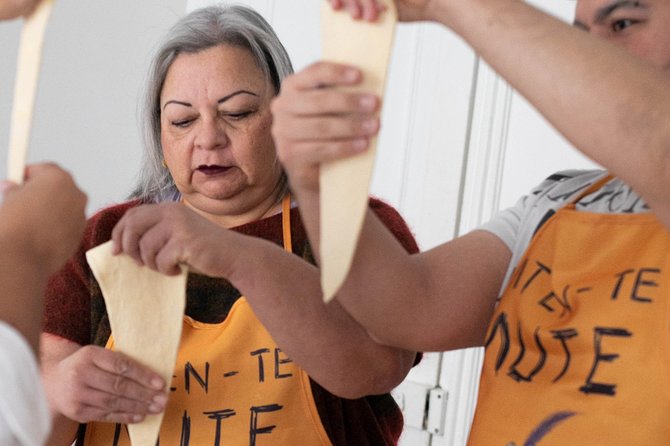
The class is offered in English, which removes a major worry for many visitors. You can ask questions as you work, and you do not need previous baking experience. The small group size also helps. Six people is enough for a social class but small enough for the instructor to see what you are doing.
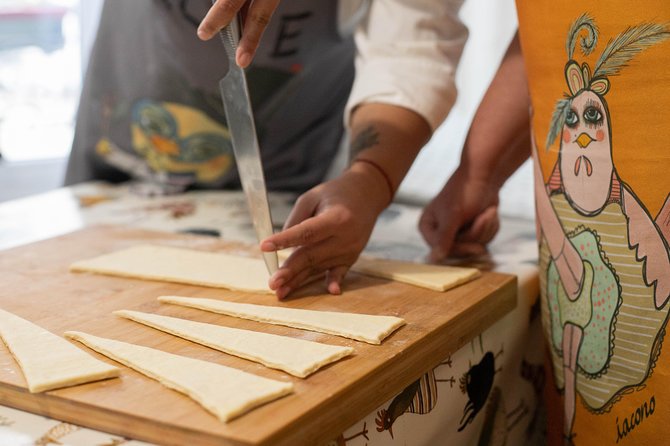
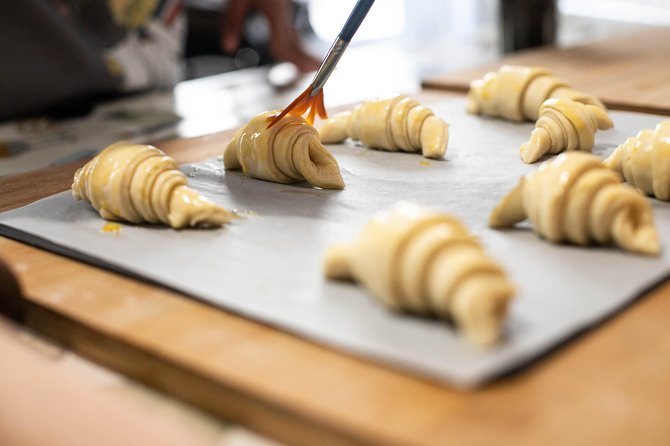
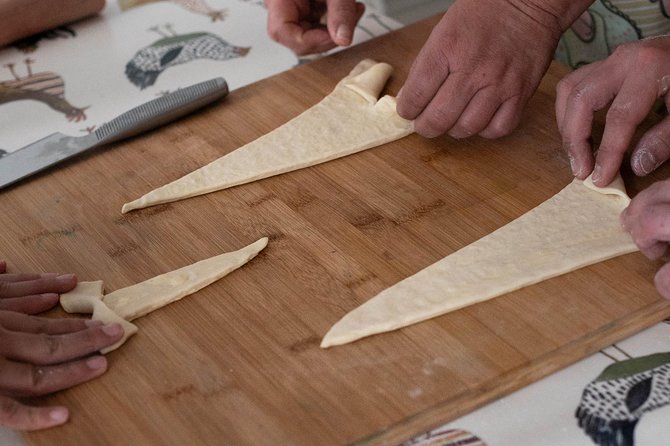
That matters with croissant dough. The technique depends on handling, folding, and shaping, not just following a recipe printed on a card. A teacher can spot a problem in your dough or explain why a step matters. The experience is still brief, but it is hands-on rather than a demonstration where you watch someone else do all the work.
More pastry and macaron classes in Paris:
- Paris: Montmartre Cheese, Wine & Pastry Guided Walking Tour
★ 4.8 · 2,255 reviews - Private Montmartre Food Tour with Wine, Cheese & Pastries
★ 5.0 · 1,027 reviews - Paris French Sweets Tasting Tour with Pastries and Chocolates
★ 4.5 · 947 reviews
Starting with French pastry and viennoiseries
The class begins with context about French pastry and the difference between viennoiseries and French pastry. That distinction gives the lesson a little more meaning than a simple bake-and-eat activity.
Viennoiseries are the family of rich, often yeast-based breakfast pastries associated with French bakeries. Croissants belong in that group. The lesson uses this familiar pastry to introduce a less familiar idea: its dough is not ordinary bread dough, and it is not the same as the sweet pastry used for many French desserts.
You will learn about pâte feuilletée levée, or laminated yeasted dough. Lamination is the process that creates thin layers of dough and butter. When baked, those layers help produce the flaky texture you expect from a croissant.
The historical explanation is part of the appeal, but do not book this expecting a long lecture on French food history. The available description points to a practical class centered on making croissants. The history gives you useful context before the hands-on work begins.
I like this balance. You leave with a better sense of why the pastry behaves the way it does, not just a list of instructions. At the same time, the class keeps its focus on the croissant itself.
Working with laminated dough from scratch
The heart of the activity is learning how to make the laminated dough used for French breakfast pastries. This is the step that gives the class its value.
Croissants look simple on a bakery shelf, but their texture depends on several linked stages. The dough must be prepared, layered, and handled with care. The class is designed to take you through those steps in a compact format, with tools and ingredients supplied.
You do not need to bring baking equipment. An apron is borrowed during the experience, and the ingredients and related tools are provided. That is especially helpful if you are visiting Paris with only a small suitcase. You can learn without buying supplies or trying to carry baking equipment across town.
Because the class lasts about an hour and a half, expect a focused lesson rather than a full-day pastry workshop. The format is long enough for a beginner to understand the basic method, but not so long that it takes over your sightseeing schedule.
A past participant who described themselves as an absolute beginner found the instruction clear enough to learn the essential steps. That is encouraging if you have little experience with dough. Still, I would keep your expectations realistic. You will gain a method and practical understanding, but making bakery-quality croissants consistently at home will take practice.
The good news is that the lesson can help you see where that practice belongs. Croissant baking is not simply about following a recipe once. It is about learning how the dough feels and how the layers respond. A small class gives you a better chance to ask about those details.
A 90-minute class with personal attention
The maximum of six participants is one of the strongest features here. Many cooking activities promise hands-on learning but place you in a large group, where you may spend more time watching than doing. This class is built around a much smaller number.
The group may be even smaller. One person received a solo class and described it as a special experience. That kind of session is not guaranteed, since the class can have up to six participants, but it shows how the format can feel when demand is light.
With six people, you should have a chance to work directly with the dough and ask questions. The instructor can move between participants without managing a large crowd. The pace is also likely to feel less hurried than a mass-market cooking demonstration.
The instructors named in the experience information include Carlos, Maria, and Nuby. Carlos received particular praise for explaining the process to beginners, while Nuby led a solo class. The specific instructor may vary, so consider the names a useful guide to the teaching team rather than a guarantee of who will be present.
The small group also makes this a reasonable choice for a couple, family, or group of friends. A group of six can book the maximum capacity and have a private-feeling activity without needing a large tour bus or formal classroom.
Same city, a completely different afternoon:
- Paris: Louvre Museum Timed-Entrance Ticket
★ 4.6 · 71,977 reviews - Disneyland® Paris 1-Day Ticket
★ 4.6 · 49,412 reviews - Paris: Versailles Palace and Gardens Full Access Ticket
★ 4.6 · 41,579 reviews - Paris: Evening River Cruise with Music
★ 4.4 · 22,721 reviews
Coffee, tea, and the best part of the lesson
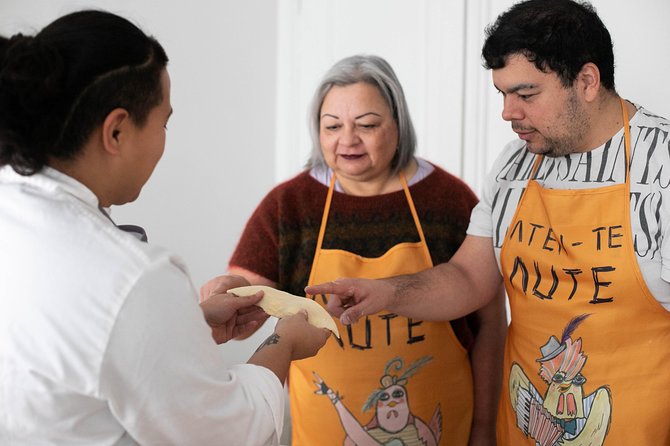
Coffee and tea are served during the class. That simple detail fits the subject well. Croissants are closely tied to the French breakfast table, and a warm drink gives you a natural partner for the finished pastry.
The listed dessert is croissant, and you are welcome to eat what you make. This is important when comparing cooking classes. Some focus on technique but leave you with little time to enjoy the result. Here, tasting the finished pastry is part of the reward.
You can also take pictures or videos during the experience. That is useful if you want to remember the shaping steps or keep a visual record for baking at home. Be mindful of the work area while filming, but the activity specifically allows photos and videos.
Alcoholic drinks are not included. That is not a major issue for a morning-style baking class, but it is worth knowing if you are comparing this with an evening food tour or a broader tasting experience.
Getting to 22 Pass. du Génie near Nation
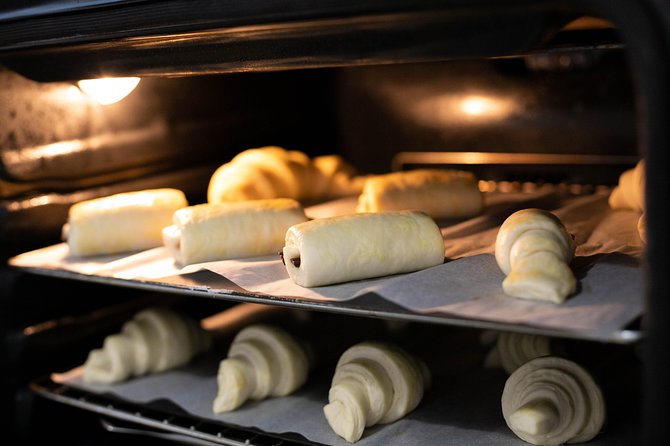
The meeting point is 22 Pass. du Génie, 75012 Paris, and the activity ends back at that same point. The location is near public transportation, with Nation station nearby.
Nation is a practical place to reach from several parts of Paris. Still, the final approach may be less obvious than the address suggests. The meeting point is associated with a home down an alley, so you should pay attention to the exact entrance and any instructions sent after booking.
This is not a major sightseeing stop in itself. The reason to come here is the class, not a famous monument outside the door. That can be a plus if you want to spend part of your day in a local residential area rather than keeping every activity in the historic center.
I would schedule the class with a little breathing room before your next appointment. The stated duration is approximately one hour and 30 minutes, and the activity ends at the meeting point, but baking sessions can feel less exact than a museum entry time. You may also want time afterward to discuss food and drink ideas with the hosts.
One participant especially regretted not taking the class on the first day of their trip, because the hosts offered recommendations for places to eat and drink in Paris. That is not a formal part of the itinerary, so do not book it as a city orientation tour. But the setting can create a useful opportunity to ask for local suggestions.
Is the class good value?
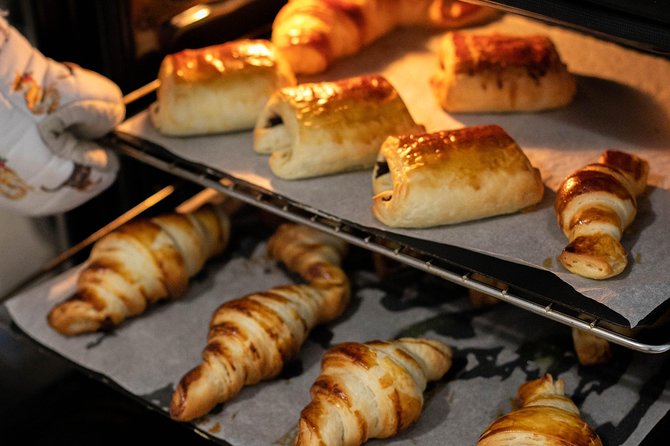
A specific price is not provided here, so I cannot judge the cost against other Paris baking classes. I can judge what you receive for the booking.
You get a small-group lesson, an English-speaking instructor, ingredients, tools, an apron, coffee or tea, and the croissants you make. You also get the chance to ask questions in a private home rather than simply watching a pastry demonstration.
That package has stronger value for someone who wants to learn a skill. If you only want to eat a great croissant, a bakery will be faster and likely simpler. If you want an activity with a local setting and a practical takeaway, the class offers more than a pastry purchase.
The 90-minute length is also part of the value calculation. It fits neatly into a morning or afternoon, but the short schedule limits how far the lesson can go. You will not cover a broad range of French pastries. The focus is croissants, and that focus is both the strength and the limit of the class.
I would also factor in the strict cancellation rule. The experience is non-refundable and cannot be changed for any reason. If the minimum number of participants is not reached and the provider cancels, you will be offered another date or experience, or receive a full refund. Because your own cancellation does not qualify for a refund, book only when your Paris plans are firm.
Who will enjoy this Paris baking experience?
This class suits first-time bakers especially well. You do not need to arrive with pastry skills, and the small group lets you learn through direct instruction. It also works for people who already enjoy baking and want to understand the croissant process in a Paris setting.
Couples and small groups can use it as a shared activity. A group of six reaches the stated maximum and keeps the class intimate. Solo visitors may also find it comfortable, particularly if the group is small on the day.
Families may appreciate the hands-on format, but the supplied information does not give a minimum age or child policy. If you plan to bring children, confirm that detail before booking rather than assuming the class is designed for young participants.
This is less suitable if you want a broad food tour, a formal culinary school setting, or a long technical workshop. It is also not the right choice if your schedule is uncertain, given the strict booking terms.
The final croissant verdict
I would book this class if you want to do more than photograph Paris pastries behind a bakery window. The strongest reasons are the six-person limit, the private apartment setting, and the chance to make and eat your own croissants with coffee or tea.
Go in expecting a compact introduction, not mastery. Arrive prepared for a residential meeting point near Nation, keep your cancellation plans in mind, and leave room for the lesson to become a conversation about Paris food. For beginners, couples, and small groups who want a practical local activity, this is a tasty and well-focused choice.
FAQ
Where does the croissant class take place?
The class starts and ends at 22 Pass. du Génie, 75012 Paris, France, in a private Parisian apartment in the 12th arrondissement near Nation station.
How long does the activity last?
The experience lasts approximately one hour and 30 minutes.
Is the class offered in English?
Yes. The experience is offered in English.
What is included in the booking?
Coffee and tea, ingredients, related tools, and an apron are included. The class is capped at six participants, and you may take pictures or videos during the activity.
Do I need previous baking experience?
No previous baking experience is required. The class teaches the croissant process and the laminated dough known as pâte feuilletée levée.
Can I cancel or change my booking?
The experience is non-refundable and cannot be changed for any reason. If the provider cancels because the minimum number of participants is not reached, you will be offered another date or experience, or receive a full refund.
Just added around Paris
- Private Paris Marche d’Aligre Walking Tour with Tastings★ 5.0 · 8 reviews
- Private Highlights of Paris Tuk-Tuk Experience★ 5.0 · 26 reviews
- Paris Latin Quarter Walking Tour: History & Culture – Small Group★ 5.0 · 14 reviews
- Private Louvre Museum Tour for Kids & Families with Alberto or his team in Paris★ 5.0 · 41 reviews
- Private Highlights of Paris Bike Tour★ 4.5 · 15 reviews
- Paris Musee d’Orsay PRIVATE TOUR with a Local Private Guide★ 5.0 · 41 reviews
- Private Half Day Historic Tour★ 5.0 · 58 reviews
- Pere Lachaise Cemetery Paris – Exclusive Guided Walking Tour★ 5.0 · 72 reviews
Paris Pastry and Macaron Classes, compared.
Montmartre Cheese, Wine & Pastry Guided Walking Tour
Read our review →
Private Montmartre Food Tour with Wine, Cheese & Pastries
Read our review →
Paris French Sweets Tasting Tour with Pastries and Chocolates
Read our review →
Paris Croissant Small-Group Baking Class with a Chef
Read our review →
Paris Cooking Class: Learn How to Make Macarons
Read our review →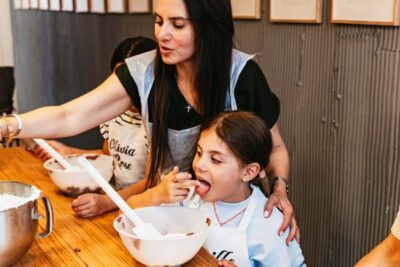
A Morning in Paris Food Tour: Croissants, Baguettes & Chocolate
Read our review →Browse the lists this tour appears in