
Reviewed · PARIS PASTRY AND MACARON CLASSES
Paris: Baking Insider Experience with a Professional Baker
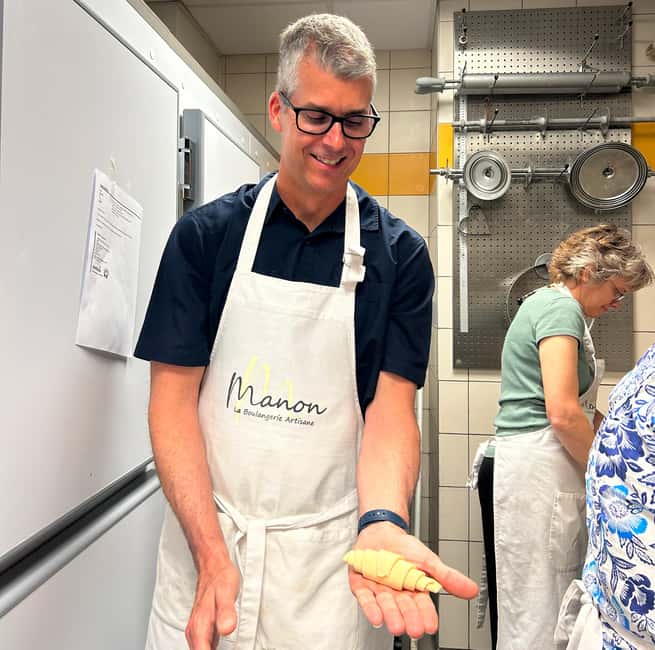
The best part of this Paris experience is that you do not just watch a baker work. You get flour on your hands, shape baguettes, roll croissant dough, and learn why French bread tastes different from one loaf to the next. I like the small group of up to eight, which gives guides such as Pierre, Jess, Martin, David, and Candice time to help each person. I also like that this takes place in a working bakery, not a staged cooking studio.
You will sample sweet and savory treats as you go, and some sessions let you leave with baguettes, financiers, or other pastries you helped prepare. The main drawback is time: two hours goes quickly, and your croissants may not be baked and ready to eat before the class ends. You also need to stand for much of the session and climb 15 steps to a second-floor bakery with no elevator.
Key points at a glance
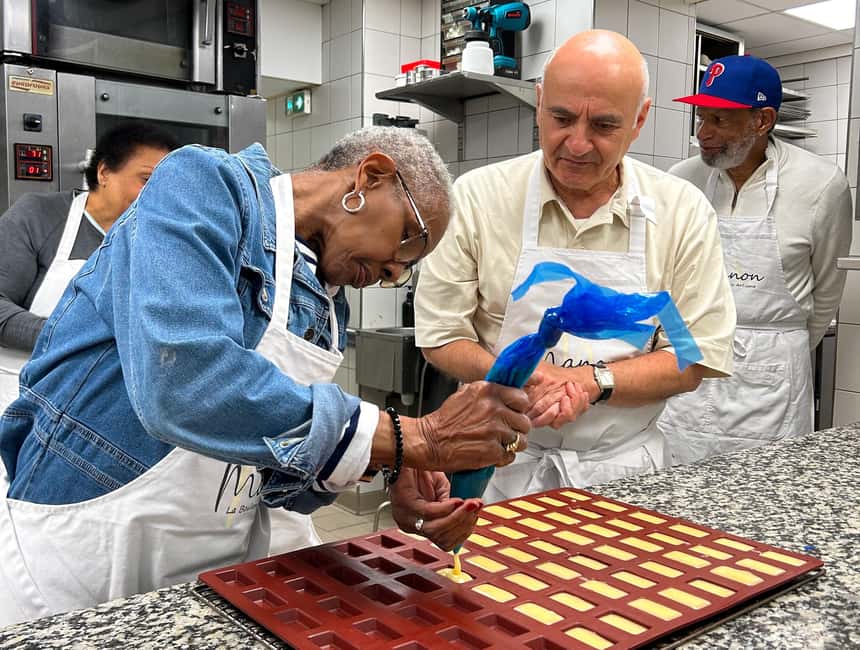
- Work in a real Paris bakery: See how a neighborhood boulangerie functions while bakers continue their daily work.
- Handle three French classics: Sessions can include baguettes, financiers, and croissants, with hands-on shaping and rolling.
- Learn the baking basics: Compare flours, yeast, sourdough, dough texture, and the layers created by lamination.
- Keep the group small: A maximum of eight participants makes it easier to receive personal help.
- Come hungry: Pastry, bread, and other tastings are part of the experience, and baked goods may be taken away.
- Plan for stairs and standing: The bakery has 15 steps, no elevator, and is not suitable for wheelchair users.
What the two-hour bakery class is really like
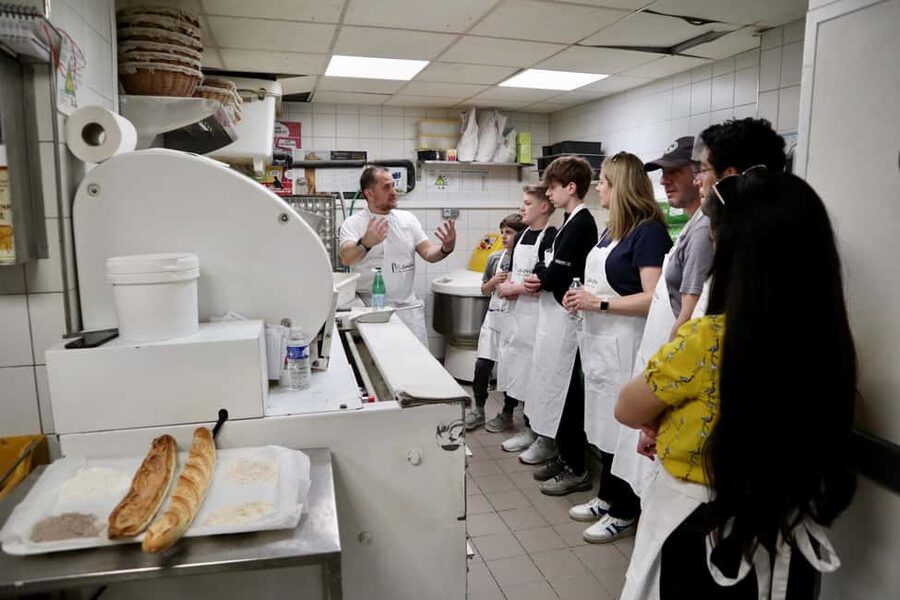
This is a practical introduction to French baking rather than a full pastry-school course. In two hours, you will handle several types of dough and learn the purpose behind each step. The guide explains the methods in English, then helps you copy them with your own hands.
The exact bakery and meeting point depend on the option you book. Sessions have taken place in traditional bakeries in areas including Le Marais, and Chez Manon is one named location. Since the class takes place in a working bakery, the setting feels connected to everyday Paris life. You are not simply making food in a classroom built for tourists. You are watching staff prepare and sell the bread that local customers come to buy.
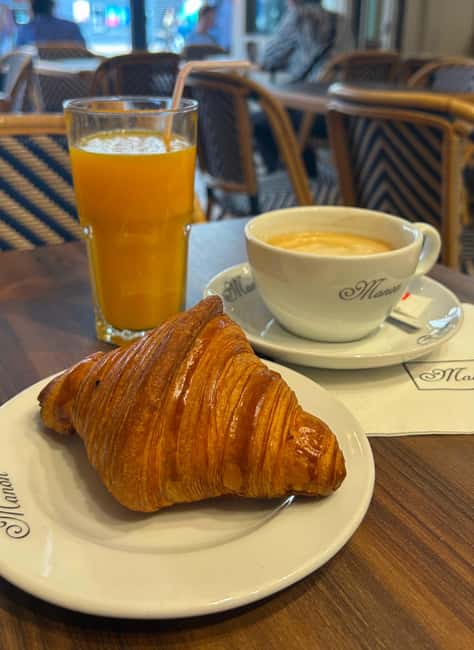
Many sessions begin with a pastry and a drink from the bakery. That is a useful start because you taste the finished product before trying to make part of it yourself. It also gives the guide a chance to explain what you are eating, how the dough was made, and what to look for in the crust, crumb, or filling.
The guide then moves into the building blocks of French baking. You learn that flour is not just flour. Different types affect texture, structure, and flavor. You also hear about yeast and sourdough, including how they influence the rise and character of bread. This is the kind of information that makes the later hands-on work more useful. You are not just following instructions by rote. You begin to understand why a dough needs a certain treatment.
More pastry and macaron classes in Paris:
- Paris: Montmartre Cheese, Wine & Pastry Guided Walking Tour
★ 4.8 · 2,255 reviews - Private Montmartre Food Tour with Wine, Cheese & Pastries
★ 5.0 · 1,027 reviews - Paris French Sweets Tasting Tour with Pastries and Chocolates
★ 4.5 · 947 reviews
Shaping baguettes and comparing French bread
The baguette portion is one of the most satisfying parts of the class because it is easy to see the change from rough dough to a familiar French loaf. You may taste two kinds of baguette first, then discuss how they differ before shaping your own.
The lesson covers how to handle the dough without flattening all its air, how to form the long shape, and how to prepare it for baking. A guide such as David may also explain the small differences that separate one baguette from another. The point is not just to produce a long loaf. You learn to look at the bread more carefully, noticing texture and flavor instead of treating every baguette as the same.
This is useful for anyone who plans to visit several Paris bakeries. After the class, you have a better sense of what you are tasting. You can pay attention to the crust, the chew, and the balance of flavor. That turns a simple bread purchase into a small piece of local food knowledge.
The bakery setting adds something here. You may meet the owner or see bakers moving in and out while the class runs. Staff have been described as friendly, and one organic bakery session included a look at a shop that makes its products in-house. Keep in mind that a working bakery is not always perfectly calm. The trade-off for authenticity is activity around you, limited space, and the need to follow instructions carefully.
Croissant dough and the reason layers puff
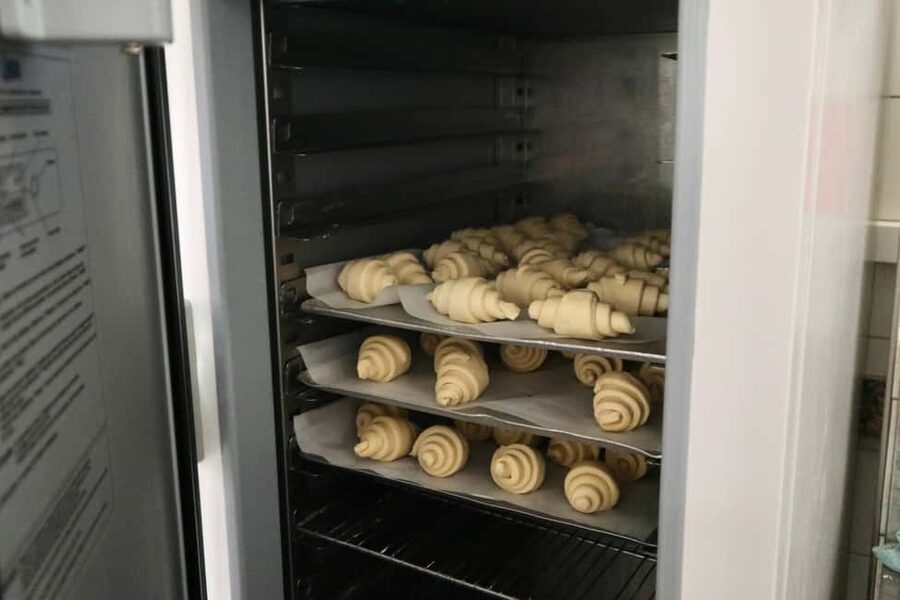
Croissant making is the most technical part of the session. The class introduces lamination, the process of folding butter and dough to create thin layers. When those layers meet heat, steam helps the pastry puff.
You will usually roll or shape croissant dough while the guide explains how it is made and why the layers matter. This gives you a quick but useful look at a process that takes care and precision. A small mistake can affect the final shape, so personal help from the guide matters more here than it would in a large cooking class.
Do not expect to master professional croissants in one morning. The value is in learning what the baker is trying to achieve: even layers, controlled pressure, and a shape that allows the pastry to expand. If you bake at home, the lesson can give you a better starting point, though you may still need practice.
There is one timing issue to understand. Some participants have rolled croissants that were not baked in time to taste during the two-hour visit. That does not make the activity a failure, but it means you should not assume every pastry you touch will be ready before you leave. If eating your own croissant is essential, ask the guide at the start what will be baked and what may need more time.
Financiers and the sweeter side of the class
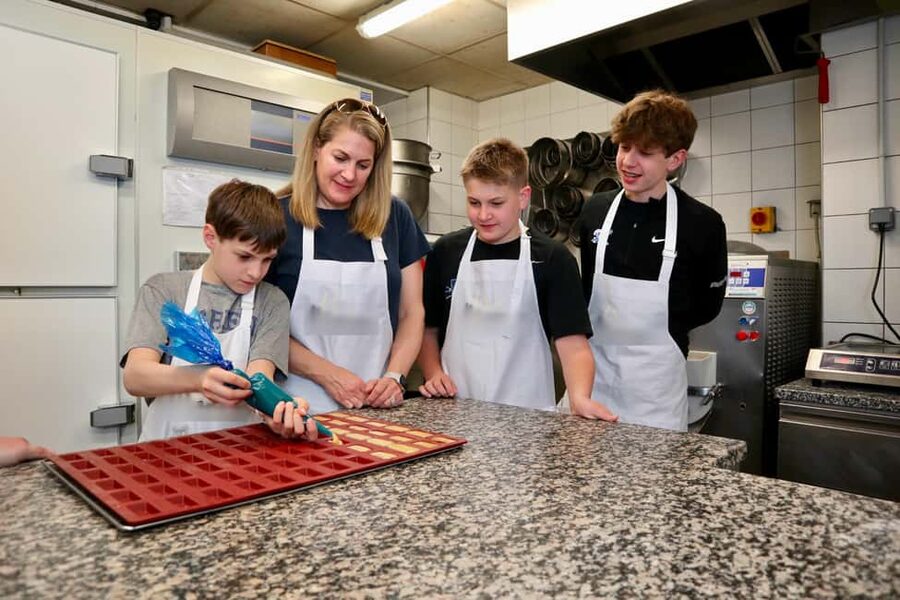
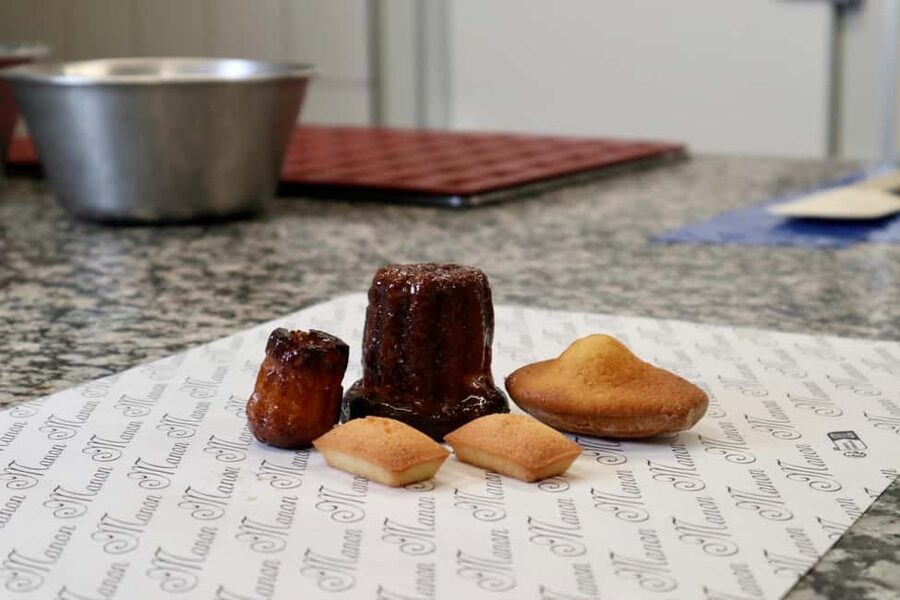
Alongside bread and croissants, the class can include financiers, small French cakes with a tender texture. This gives you a change of pace from working with bread dough and shows that French baking is not only about baguettes and laminated pastry.
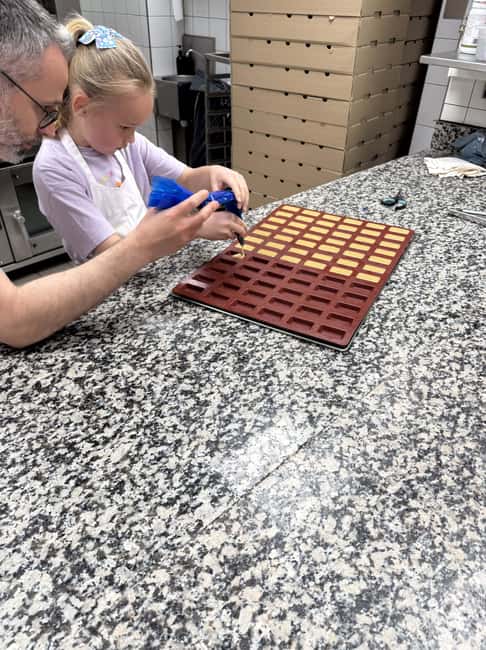
The financier section is often especially good for families because the task is easier to follow than croissant lamination. Children can help measure, mix, or shape under the guide’s direction, while adults get a closer look at how a small pastry is prepared and baked.
The format also gives you several ways to taste French baking. You may start with a shop pastry, sample bread during the lesson, and eat or take away some of what you prepare. Some sessions leave participants with finished baguettes and pastries to snack on later. Pack a bag that can carry food without crushing it, and leave room in your appetite.
Same city, a completely different afternoon:
- Paris: Louvre Museum Timed-Entrance Ticket
★ 4.6 · 71,977 reviews - Disneyland® Paris 1-Day Ticket
★ 4.6 · 49,412 reviews - Paris: Versailles Palace and Gardens Full Access Ticket
★ 4.6 · 41,579 reviews - Paris: Evening River Cruise with Music
★ 4.4 · 22,721 reviews
Guides who make the difference
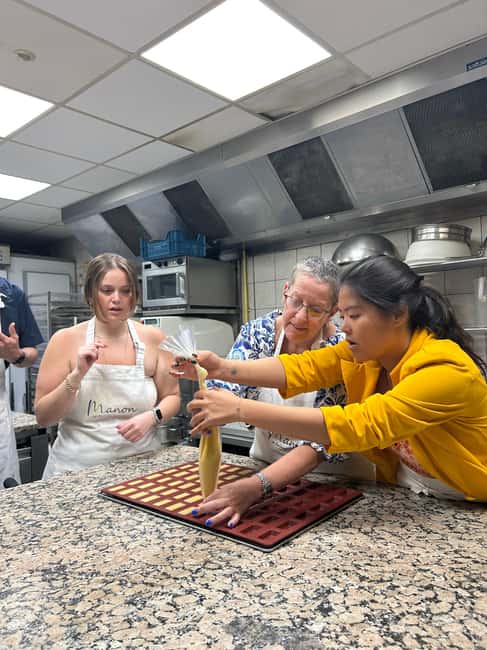
The guide is central to this experience. The class works best when the instructor can explain a technical step in plain English, watch several pairs of hands at once, and keep the group moving through the short schedule.
Pierre has led sessions at Le Marais and Chez Manon, and is praised for making groups feel welcome while keeping the lesson moving. Jess is another named guide who combines baking instruction with a friendly, upbeat approach. Martin has led classes that included children and older adults, making sure everyone had a turn.
David’s sessions have included comparisons between two baguettes, financiers, and croissants, with clear explanations of the ingredients and methods. Candice has also led hands-on classes focused on baguettes and croissants. Rachel is noted for including a mixed-age group, including a nine-year-old and a 60-year-old.
Guide assignments can change, so you cannot book on the assumption that one particular person will lead your date. Still, the repeated pattern is clear: the small format gives the instructor room to help individual participants. If you arrive late, do not count on being able to repeat every step. One session accommodated a late arrival, but the class has a fixed schedule and the dough cannot wait forever.
How the price compares with the experience
At $108 per person, this is not a cheap bakery visit. You are paying more than you would for a pastry, coffee, and baguette from a Paris shop. The price makes more sense if you value instruction, access to a working bakery, several tastings, and the chance to make food yourself.
The small group is important to the value. With a limit of eight, you have a reasonable chance to shape dough rather than watch one person demonstrate for everyone. The expert guide, hands-on lesson, snacks, and baked goods you may take away are included.
I would compare this with a standard cooking class that focuses on one finished recipe. Here, you get a short tour of several French baking methods: bread dough, baguette shaping, financiers, and laminated pastry. You may not leave with a professional-level recipe collection. One participant wished for recipes, so ask what written instructions are provided if that matters to you.
For a family or food-focused couple, the cost can be worthwhile because the memory is tied to a real Paris bakery rather than a single meal. For someone who only wants to eat great bread, skip the class and spend the money at several boulangeries. This is an activity first, and a tasting experience second.
Who will enjoy this most
I would recommend the class to adults and children who like to handle food, ask questions, and work at a steady pace. It suits families particularly well. Children around nine and eleven have enjoyed the activity, and guides have made an effort to include younger participants in the tasks.
Children under five are free, but they cannot take part in the hands-on baking for safety reasons. That means the class is less useful for a family bringing a toddler, especially since an adult may need to supervise the child while everyone else works.
The experience also suits teenagers and older relatives. Mixed-age groups have worked well because the activity has simple tasks alongside more technical explanations. You do not need baking experience. The guide introduces the key ideas as you go.
I would be cautious about booking if you dislike standing, have trouble with stairs, or want a quiet, polished cooking studio. The bakery is on the second floor, reached by 15 steps, with no elevator. The activity is not suitable for wheelchair users, and long hair should be tied back. A hair tie or clip is a practical thing to bring.
Planning your morning in Paris
The experience lasts two hours, but allow extra time around it so you are not rushing to the next sight. Meeting points vary by the option you book, and the activity ends back at the meeting point. Check the exact location before you leave your hotel.
Wear comfortable clothes you do not mind working in. Flour and dough are part of the fun, and you will be standing for an extended period. Closed shoes and tied-back hair are sensible choices, even though the supplied details do not require a particular dress code.
Plan to eat lightly beforehand. You may begin with a pastry and drink, then taste bread and other baked goods as the class continues. One of the pleasures of the morning is leaving with food for later, though the amount and exact items can vary by session.
The activity is conducted in English with a live guide. It can be a good choice on a cool or rainy Paris day because much of the time is spent indoors. Just remember that the bakery itself may be busy, and you need to pay attention around working equipment and staff.
Free cancellation is available up to 24 hours before the activity for a full refund. You can also reserve now and pay later, which helps if your Paris schedule is still shifting.
Is this Paris baking class worth booking?
Book it if you want more than a pastry tasting and like the idea of learning through your hands. The strongest reasons are the real bakery setting, the small group, the range of techniques, and the chance to compare bread before shaping your own.
It is a particularly good pick for families with school-age children, couples who enjoy food activities, and anyone curious about why French bread and pastry require such different methods. I would also choose it for a rainy morning or as a break from museums and monuments.
Skip it if you cannot manage stairs or extended standing, if you need a wheelchair-accessible activity, or if your main goal is to take home a large batch of finished croissants. The class moves quickly, and not every item may be baked before you leave.
For most visitors who want a friendly, practical look at French baking, $108 buys a genuine taste of bakery life, not just another food demonstration.
FAQ
Where does the baking experience take place?
The activity takes place in one of two traditional Parisian bakeries, depending on the option booked. The meeting point may vary.
How long does the baking class last?
The experience lasts two hours. Starting times depend on availability.
What language is the class conducted in?
The live tour guide conducts the activity in English.
How many people can join the group?
The group is limited to eight participants.
What will I learn to make?
The class covers bread and croissant dough, baguette shaping, croissant lamination, and other French pastries. Financiers may also be part of the hands-on work.
Will I get to taste French baked goods?
Yes. Snacks and tastings are included, with sweet and savory French flavors offered during the experience.
Can I take home what I bake?
Some sessions provide finished baguettes, pastries, or other baked goods to take away. The exact items can vary, and croissants rolled during the class may not be ready to taste before the session ends.
Is the experience suitable for children?
Children under five are free, but they cannot take part in the hands-on baking because of safety concerns. School-age children have taken part in the activities with guide assistance.
Is the bakery accessible for wheelchair users?
No. The bakery requires climbing 15 steps to the second floor and has no elevator. The activity is not suitable for wheelchair users.
Can I cancel for a refund?
You can cancel up to 24 hours in advance for a full refund. Reserve-now, pay-later booking is also available.
Just added around Paris
- Paris: The Da Vinci Code Walking Tour with a Local Guide★ 4.3 · 5 reviews
- Paris: Flea Market Insider’s Tour in Extra-Small Group★ 4.6 · 73 reviews
- Paris: Private Fashion Tour (Chanel, Dior, Sex & the City)★ 5.0 · 3 reviews
- Paris: Floral Earrings workshop★ 5.0 · 3 reviews
- Paris: Fashion History Walking Tour in the Heart of Paris★ 4.9 · 22 reviews
- PARIS: Family e-bike longtail renting★ 5.0 · 3 reviews
- Paris: Famous Monuments Cycling Tour★ 4.7 · 20 reviews
- Paris: private city tour with seine river cruise★ 4.8 · 28 reviews
Paris Pastry and Macaron Classes, compared.
Montmartre Cheese, Wine & Pastry Guided Walking Tour
Read our review →
Private Montmartre Food Tour with Wine, Cheese & Pastries
Read our review →
Paris French Sweets Tasting Tour with Pastries and Chocolates
Read our review →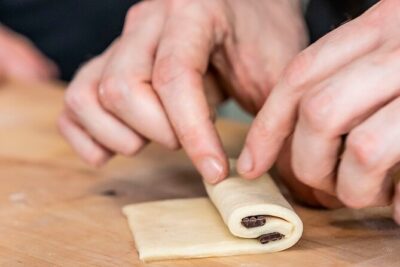
Paris Croissant Small-Group Baking Class with a Chef
Read our review →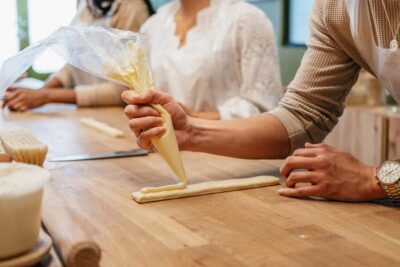
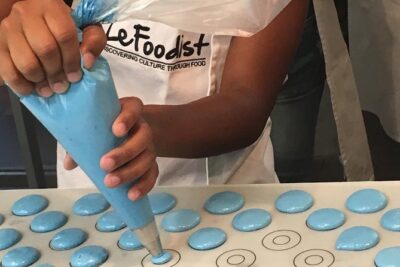
Paris Cooking Class: Learn How to Make Macarons
Read our review →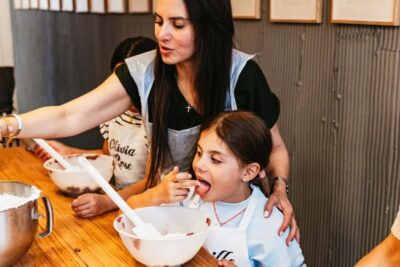
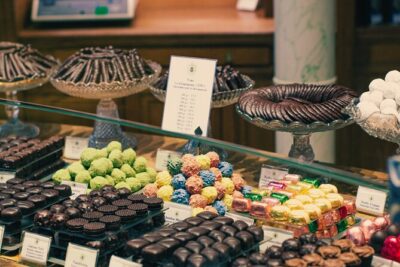
A Morning in Paris Food Tour: Croissants, Baguettes & Chocolate
Read our review →Browse the lists this tour appears in