
Reviewed · PARIS PASTRY AND MACARON CLASSES
Paris Croissant and Breakfast Pastry Class with a French Chef
Making a proper croissant is less about stirring a bowl than managing butter, dough, yeast, time, and temperature. In this three-hour Paris pastry class, you work through the key steps with an English-speaking French chef, then eat warm pastries and take more home.
I like the six-person limit, which gives you room to ask questions and handle the dough yourself. I also like the practical setup: aprons, equipment, recipes, take-home bags, coffee, and tea are included. The catch is that croissant dough takes more time than a three-hour class allows, so some stages are prepared ahead.
Key points at a glance
- Small group of six: You get hands-on time rather than simply watching a demonstration.
- Classic French pastries: Make croissants and pain au chocolat, with bicolor chocolate-pralin croissants on Thursday mornings.
- Real pastry technique: Practice beurrage, rolling, folding, layering, shaping, and fermentation.
- Fresh pastries to enjoy: Eat some with coffee or tea, then carry the rest away in a provided bag.
- A working professional kitchen: The class takes place at Patisserie a la Carte near public transportation in the 9th arrondissement.
- Best for ages 15 and up: Children must attend with a registered adult, with one adult required per child.
What you actually do in three hours
The class meets at Patisserie a la Carte, at 9 Rue Thimonnier in Paris. It ends at the same place, so you are responsible for getting yourself there and back. The venue is near public transportation, but no hotel pickup or return ride is included.
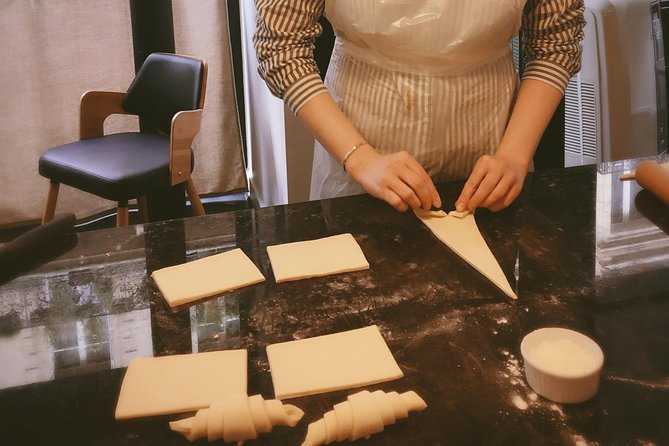
Once the class begins, the chef explains the process and demonstrates each stage. You then work with the dough yourself. This is not a pastry talk with a few token turns at the workbench. The class is designed so each person handles the important steps.
You learn how to make the butter layer, called the beurrage, and how to place it into the dough. You also learn the useful French terms for the dough and its stages. The pâton is the block of croissant dough after the butter has been enclosed. The détrempe is the initial dough before the butter is folded in.
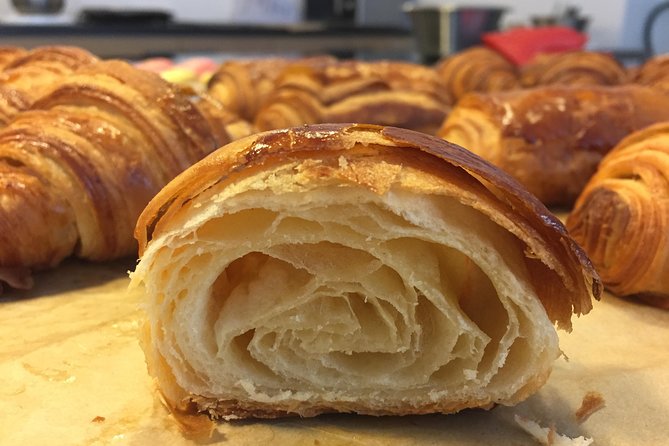
The technical heart of the lesson is making the turns. You roll the dough, fold it, and roll it again to create thin layers of dough and butter. This process, called feuilleter, is what gives a croissant its flaky structure. Roll too hard, and the butter can break through. Handle it too gently, and the layers may not develop as they should.
The chef also explains la pousse, the fermentation and rising stage caused by yeast. This is one of the most useful parts of the class because it shows why croissants cannot be rushed at home. Their light texture depends on more than a generous amount of butter.
More pastry and macaron classes in Paris:
- Paris: Montmartre Cheese, Wine & Pastry Guided Walking Tour
★ 4.8 · 2,255 reviews - Private Montmartre Food Tour with Wine, Cheese & Pastries
★ 5.0 · 1,027 reviews - Paris French Sweets Tasting Tour with Pastries and Chocolates
★ 4.5 · 947 reviews
Why some dough is prepared ahead
Here is the important practical note: laminated yeast dough needs long resting and rising periods. Ideally, the work begins the day before. A single three-hour session cannot take dough from the first mix all the way through every rest, rise, bake, and cooling period.
To keep the class moving, some stages are prepared in advance. You still perform those stages during the lesson, but prepared dough is used at the right point so you can bake pastries before the class ends. One detailed account of the class describes making a batch of dough that was wrapped and refrigerated for later, then working with dough prepared from the previous day to shape four croissants and four pain au chocolat.
This arrangement is sensible, but you should know what you are booking. You will learn and practice the method, yet you will not watch one single batch pass through every waiting period from start to finish. Think of it as a focused pastry workshop, not a full day in a bakery.
That shortcut does not make the techniques less useful. In fact, it lets you see the difficult parts without spending hours waiting for fermentation. The printed recipes and explanations help you repeat the process at home, where you can plan the dough over two days.
Shaping croissants and pain au chocolat
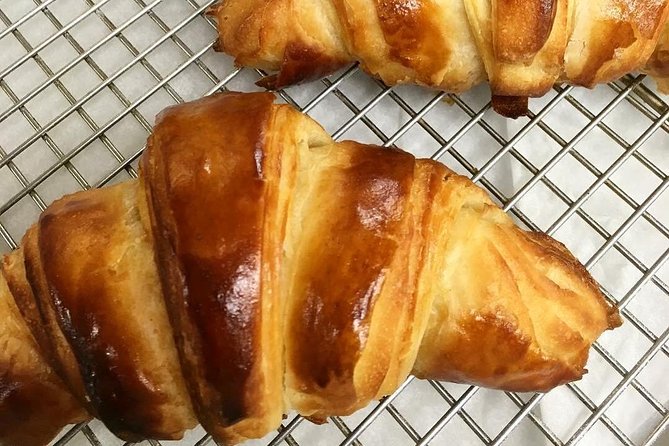
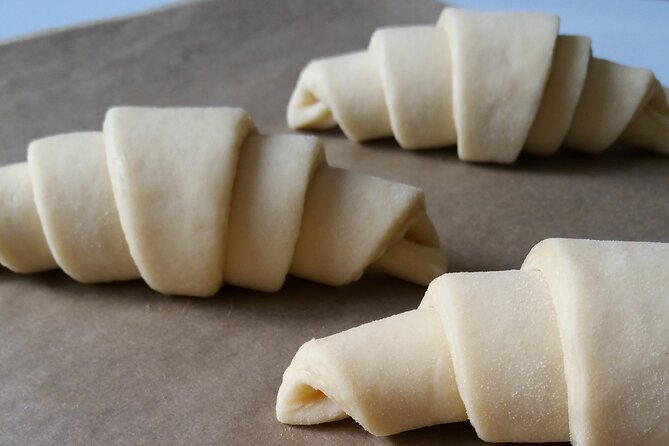
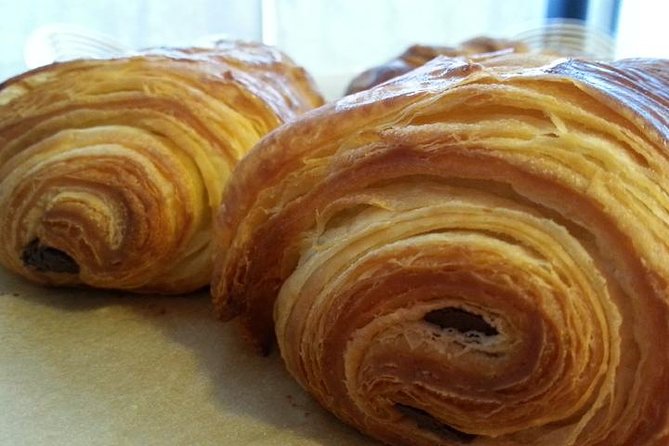
After rolling and folding, you shape the dough into the pastries you know from French bakeries. Croissants are cut and formed into their familiar curved shape. Pain au chocolat is filled with chocolate before being rolled.
The class places equal attention on both pastries. This is helpful because pain au chocolat uses the same laminated dough but gives you a different shaping and filling task. You can compare the plain buttery layers with the chocolate-filled version as soon as they come out of the oven.
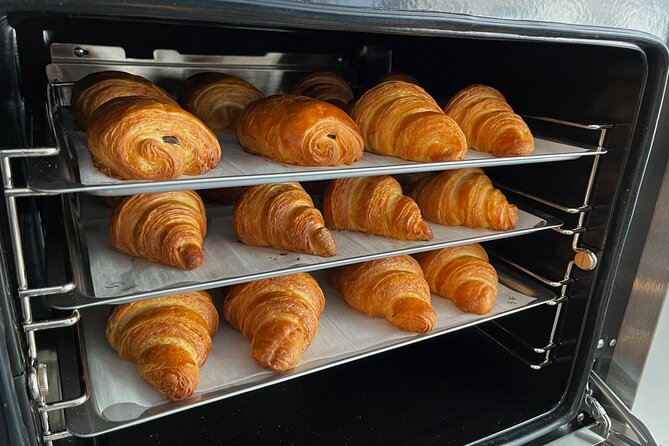
The amount you make can vary by session, but the class commonly produces a generous batch. One session resulted in four chocolate croissants and four plain croissants per participant. That is more than most people need for one sitting, which is why take-home bags and foil are useful.
Thursday morning classes add a special option: bicolor croissants filled with chocolate pralin. These have a colored outer dough and a richer nutty chocolate filling. If that variation appeals to you, check the class day carefully before booking, since it is specifically offered on Thursday mornings.
The instructors and teaching style
The instructor can vary, but several named teachers are praised in the class feedback. Gaëlle is described as patient and clear, with step-by-step demonstrations. Julie is noted for precise explanations, helpful technical advice, and a calm manner. Mary is praised for making the class fun while still covering plenty of material, and Marie is described as kind and patient.
Hiba is also singled out for explaining each stage clearly and helping participants leave with attractive croissants and pain au chocolat. The names matter because the teaching style is a large part of a small practical class, but you should not book expecting one specific chef unless the operator confirms that person for your date.
The common thread is hands-on instruction in good English. You should be able to ask about ingredients, technique, and mistakes as you work. That matters with croissants, where a small detail in butter placement or rolling pressure can affect the final layers.
The class is suitable for beginners, but it is not effortless. One useful piece of advice is that the work is both fun and demanding, and people with some baking experience may find the pace especially rewarding. You do not need to be an expert, but you should be ready to roll, fold, shape, and pay attention.
More perfume and craft workshops in Paris:
- Fragonard Paris: Mini Perfume Workshop
★ 4.5 · 1,924 reviews - Paris Cooking Class and Lunch with Wine plus Market Visit Option
★ 5.0 · 1,024 reviews - Paris Croissant Small-Group Baking Class with a Chef
★ 5.0 · 910 reviews - Paris: Macaron Class at Galeries Lafayette
★ 4.3 · 905 reviews
Eating the results with coffee or tea
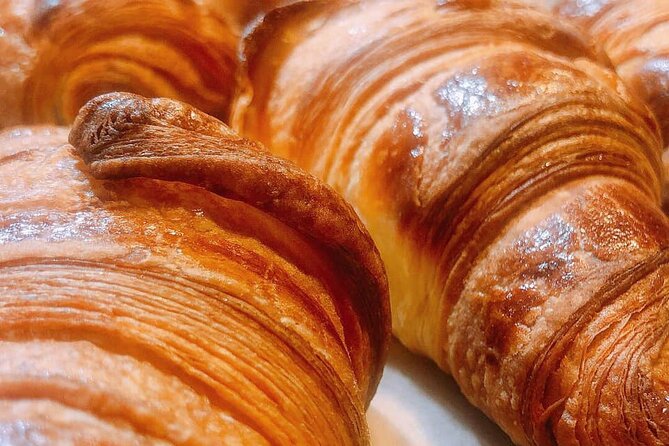
Near the end, the pastries are baked and you get to taste your work. Coffee and tea are included, which gives the final part of the class a relaxed café-like feel.
The warm pastries are the payoff, but they also give you a chance to judge the technique. You can see how the crust flakes, how soft the inside is, and how the chocolate filling behaves. It is one thing to hear about layers and fermentation. It is another to pull apart a fresh croissant and see whether the crumb is light and tender.
You can take the remaining pastries with you in provided bags. Several people have had enough left over for breakfast and afternoon snacks over the next couple of days. That improves the value of the class, since you are not paying only for a taste at the workbench.
Do not assume the class includes pain aux raisins. One participant expected that pastry but found it was only shown in a cookbook rather than made during the session. The stated focus is croissants, pain au chocolat, and, on Thursday mornings, bicolor pralin croissants.
What the small group changes
A maximum of six people is one of the strongest reasons to choose this class. Croissant making involves shared work surfaces, rolling space, and close attention from the chef. With a large group, it would be easy to spend much of the lesson watching someone else manipulate the dough.
Here, you should have a better chance to complete each major step. You can ask why the dough feels tight, how thin to roll it, or what to do if the butter begins to soften. The small format also makes it easier for couples, friends, or parents and older children to work at a comfortable pace.
The minimum age is 15. Children must attend with a registered adult, and the rule requires one adult for each child. This is a serious cooking class rather than a young-child activity, so families should consider the age requirement and the physical work involved.
The intimate format can also make the class social. You meet the other participants, share a professional kitchen, and compare shapes and results. Some people will be more experienced than others, but the group size gives the chef time to answer individual questions.
Is $131.54 a fair price?
At $131.54 per person, this is not a cheap breakfast. It is priced as a private-feeling pastry workshop, not as a bakery visit or casual food tasting.
The value comes from the combination of instruction, equipment, ingredients, printed recipes, coffee or tea, and a substantial quantity of pastries to take away. You also get three hours of guided practice with a professional French pastry chef, which is more useful than simply watching a croissant demonstration.
I would consider it a fair price if you care about cooking technique or want a food activity with a lasting result. The recipes and practice can continue to pay off when you return home. If you only want to eat a good croissant in Paris, a bakery visit will cost far less and take much less time.
The included eBook, Everyday Gourmet French Tarts, is an extra benefit for people who enjoy baking. It does not replace the hands-on value of the class, but it gives you another set of recipes to use after your trip.
The class is often reserved well ahead, with an average booking lead time of about 35 days. That suggests you should plan early, especially if you need a particular morning or want the Thursday bicolor option.
Getting there and planning your morning

The meeting point is 9 Rue Thimonnier, 75009 Paris. The area is near public transportation, but the exact best route depends on where you stay. Allow enough time to find the entrance and arrive before the start time.
After five minutes of lateness, the class begins without the late participant. After 15 minutes with nobody present, the booking can be canceled and treated as a last-minute nonrefundable cancellation. This is a good activity for a morning when you can travel directly to the address, not one you squeeze between a distant hotel checkout and another fixed appointment.
Wear casual clothes and flat, comfortable shoes. Tie back long hair. You will be standing, rolling, folding, and shaping dough, so comfort matters more than looking dressed up for Paris.
Tell the operator about allergies or dietary needs when you book. Also provide your Paris contact details as requested. The class is offered in English, and an English copy of the recipes is provided.
Free cancellation is allowed up to 24 hours before the local start time. Changes or cancellations inside that window are not refunded. The class also requires a minimum number of participants, so the provider can cancel after confirmation if that minimum is not met, offering another option or a full refund.
Who should book this pastry class
I would choose this class for someone who wants to learn a skill, not just collect a food photo. It suits couples, friends, solo visitors who enjoy meeting people, and families with teenagers aged 15 or older.
It is also a good break from museums and historic walks. You spend the morning doing something with your hands, and the finished food becomes part of lunch or the next day’s breakfast. The setting may feel more like a professional teaching kitchen than an old-fashioned French bakery, so people seeking a strongly traditional atmosphere should keep expectations in check.
Bakers at any level can gain something. Beginners receive a clear introduction to laminated dough. Experienced home bakers can ask about butter handling, turns, fermentation, and shaping. The class is active enough that you should not book it if you want a quiet demonstration with no work.
Should you book it?
Book this class if the idea of learning why croissants work sounds as appealing as eating them. The small group, clear English instruction, hands-on technique, generous take-home batch, and warm pastries with coffee give you a full morning rather than a quick tasting.
Skip it if your schedule is too tight for a fixed three-hour commitment, if you dislike working with dough, or if you expect to complete every stage from freshly mixed dough to baked pastry in one uninterrupted batch. The prepared stages are necessary, but they may surprise anyone expecting a full two-day bakery process.
For most food-focused visitors, I think the class earns its price. You leave with pastries, recipes, and a better understanding of the labor behind one of France’s most famous breakfast foods. If you can choose your date, Thursday morning adds the most distinctive variation with bicolor chocolate-pralin croissants.
FAQ
How long does the croissant class last?
The class lasts approximately three hours.
Where does the class begin and end?
It begins and ends at Patisserie a la Carte, 9 Rue Thimonnier, 75009 Paris, France.
How many people can attend?
Each class has a maximum of six participants.
What pastries will I make?
You will make classic buttery croissants and pain au chocolat. Thursday morning classes also offer bicolor croissants filled with chocolate pralin.
Is the class suitable for children?
The minimum age is 15. Children must attend with a registered adult, with one adult required for each child.
What happens if I need to cancel?
You can cancel up to 24 hours before the local start time for a full refund. Cancellations or changes made less than 24 hours before the start are not refunded.
Just added around Paris
- Private Paris Marche d’Aligre Walking Tour with Tastings★ 5.0 · 8 reviews
- Private Louvre Museum Tour for Kids & Families with Alberto or his team in Paris★ 5.0 · 41 reviews
- Private Highlights of Paris Tuk-Tuk Experience★ 5.0 · 26 reviews
- Paris Latin Quarter Walking Tour: History & Culture – Small Group★ 5.0 · 14 reviews
- Paris Musee d’Orsay PRIVATE TOUR with a Local Private Guide★ 5.0 · 41 reviews
- Private Highlights of Paris Bike Tour★ 4.5 · 15 reviews
- Private Half Day Historic Tour★ 5.0 · 58 reviews
- Pere Lachaise Cemetery Paris – Exclusive Guided Walking Tour★ 5.0 · 72 reviews
Paris Pastry and Macaron Classes, compared.
Montmartre Cheese, Wine & Pastry Guided Walking Tour
Read our review →
Private Montmartre Food Tour with Wine, Cheese & Pastries
Read our review →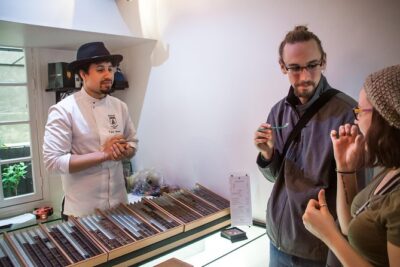
Paris French Sweets Tasting Tour with Pastries and Chocolates
Read our review →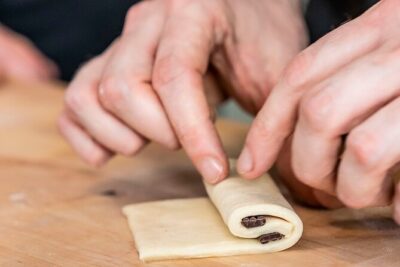
Paris Croissant Small-Group Baking Class with a Chef
Read our review →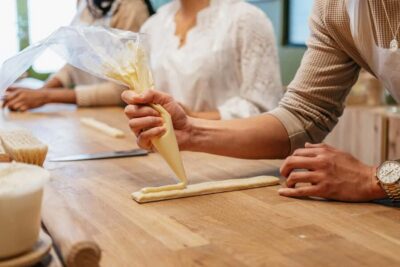
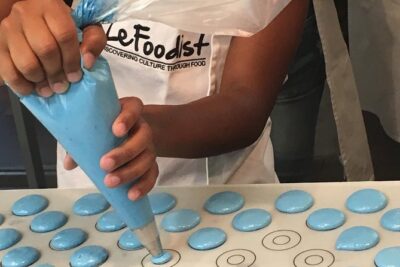
Paris Cooking Class: Learn How to Make Macarons
Read our review →
A Morning in Paris Food Tour: Croissants, Baguettes & Chocolate
Read our review →Browse the lists this tour appears in