
Reviewed · MONTMARTRE AND SACRé-CœUR TOURS
Paris: Pastries & Tragedies – A sweet tour of Montmartre
Montmartre gives you two very different pleasures at once: serious Paris history and a steady supply of pastries. This two-hour walk begins near Place Blanche, follows the neighborhood’s steep cobbled lanes, and ends at Sacré-Cœur, with at least six sweet tastings along the way.
I like the balance between stories and food. I also like the small group limit of 10, which should make it easier to hear the guide and ask questions. The main drawback is the route itself: Montmartre is hilly, and the cobblestones can be tiring, especially for anyone with limited mobility.
Key points to know before you book
- Six or more tastings included: Expect a changing selection of pastries, chocolates, macarons, merveilleux, éclairs, cookies, jams, or jellies.
- A dark side to the neighborhood: Stories cover artists, cabarets, war, political upheaval, heartbreak, and betrayal.
- Starts at Place Blanche: The meeting point is 5 Place Blanche, near the Moulin Rouge area and public transportation.
- Ends at Sacré-Cœur: You finish at the basilica with views across Paris and an explanation of its unusual construction.
- Plan for uphill walking: Wear comfortable shoes and expect cobblestones, slopes, and a gradual climb.
- Small groups help: The maximum is 10 people, though a quiet departure may feel almost private.
Why pastries and tragedies work in Montmartre
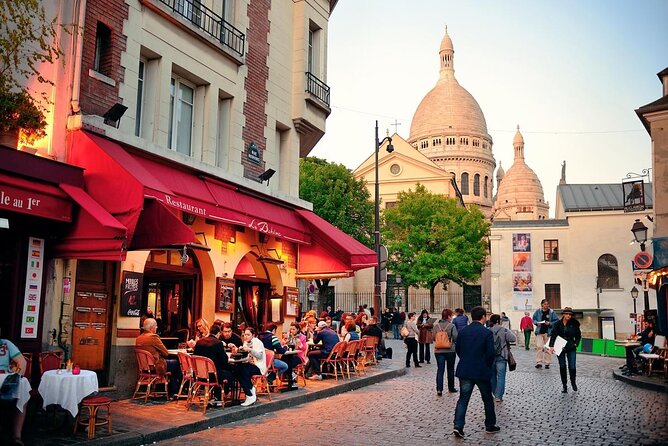
Montmartre can seem sugary enough without adding a pastry tour. Its postcard streets, artists’ portraits, souvenir shops, and broad city views make it one of Paris’s most polished neighborhoods. But the area has a harsher past, and that contrast gives this walk its character.
You move from tales of artists and cabaret performers to a bakery or chocolate shop, then back into the neighborhood’s past. The food is not just a break between monuments. It gives the guide a way to talk about local shops, French sweets, and the people who helped shape this corner of Paris.
I like this format for visitors who want more than a standard sightseeing loop. You are not simply collecting facts about Montmartre, and you are not filling two hours with tastings. The tour uses each side of the experience to make the other more memorable.
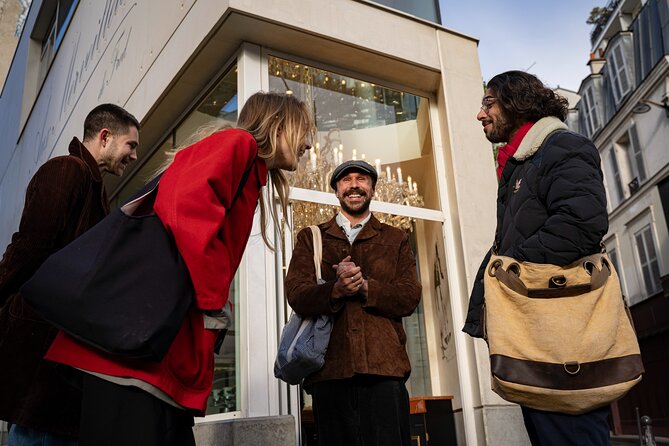
The guide most often identified with this experience is Loïk, a Paris native whose parents and grandparents were also born in the city. His style, based on the available information, is conversational and story-led, with room for questions. He also gives restaurant suggestions, which can be useful if you plan to eat in Montmartre afterward.
More Montmartre and Sacré-Cœur Tours:
- Montmartre Hidden Gems and Scenic Highlights Walking Tour
★ 5.0 · 2,684 reviews - Montmartre Hill French Gourmet Food and Wine Tasting Walking Tour
★ 5.0 · 2,588 reviews - Paris: Montmartre Cheese, Wine & Pastry Guided Walking Tour
★ 4.8 · 2,255 reviews
Starting at Place Blanche and the cabaret past
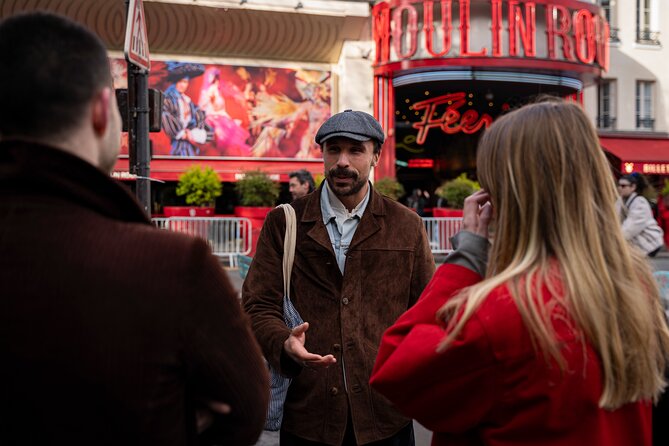
The walk begins at 5 Place Blanche, a lively location at the lower edge of Montmartre. It is a practical meeting point because it is near public transportation and puts you close to the neighborhood’s cabaret past from the first step.
One early theme is the French can-can, which was invented in this part of Paris. The guide also explains Toulouse-Lautrec’s fascination with the red-light district and the women who performed there. These stories help you see Montmartre as more than a painters’ village. It was also a place of nightlife, performance, temptation, and personal drama.
The tone is not a solemn lecture. The experience is called Pastries & Tragedies for a reason, and the stories can include heartbreak, betrayal, and difficult moments in the lives of artists and public figures. If you prefer only cheerful food stops, this may not be the right match. If you enjoy the strange mixture of beauty and sadness that often shapes old neighborhoods, the theme works well.
The starting area can also be busy and commercial. That is part of the setting, not a flaw unique to the tour. The route aims to move beyond the most obvious streets and into quieter corners, but you should not expect a completely untouched village.
The artist stories behind Montmartre’s cobbled lanes
As you climb, the guide connects the streets with the painters and other artists who lived and worked here. Names linked to Montmartre include Monet, Renoir, Degas, Picasso, and Van Gogh. You also hear about artist residences, studios, and the social world that made this neighborhood a magnet for creative people.
One stop focuses on an iconic artist studio. The value here is not simply seeing a building. It is understanding how Montmartre became associated with a working artistic life, rather than treating the neighborhood as a collection of famous names on a map.
Loïk’s strongest reported skill is storytelling. That matters in a place where many buildings and streets look ordinary at first glance. A good story gives a doorway, studio, or corner a reason to matter. It also lets you ask follow-up questions instead of rushing from one photo stop to the next.
The tour seems especially suitable for families with older children. Children as young as 8 and 10 have been able to follow the stories and enjoy the sweets, while an 11-year-old who liked history found plenty to ask about. The darker material may need a little context for younger children, but the food keeps the pace light.
Windmills, hidden corners, and the less polished side
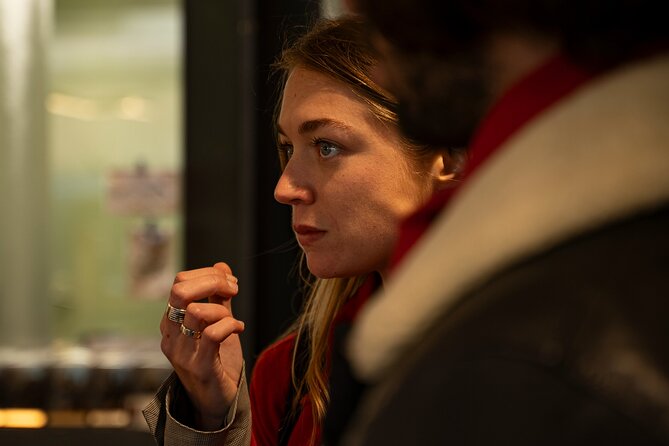
Montmartre still has real windmills, a detail that surprises many people who know the area mainly for Sacré-Cœur and the Place du Tertre. The route includes a stop where the guide explains these remaining reminders of the neighborhood’s earlier rural character.
This is one reason I prefer a guided walk here to wandering without a plan. Montmartre’s slope can send you past important details without your noticing them. The guide points out places that do not always announce themselves, then adds the story that gives them meaning.
The walking route is not flat. You should expect a steady climb over uneven paving, and the tour ends at the top near Sacré-Cœur. One person in their 80s found the uphill cobblestone walk strenuous, even though the guide was attentive and there were occasional indoor stops to warm up. That is useful advice, not a minor footnote.
If your knees, balance, or stamina are a concern, think carefully before booking. Comfortable shoes are essential. The tour is only about two hours, but Montmartre can make a short walk feel longer because of the slopes.
More pastry and macaron classes in Paris:
- Private Montmartre Food Tour with Wine, Cheese & Pastries
★ 5.0 · 1,027 reviews - Paris French Sweets Tasting Tour with Pastries and Chocolates
★ 4.5 · 947 reviews - Paris Croissant Small-Group Baking Class with a Chef
★ 5.0 · 910 reviews - Paris: Macaron Class at Galeries Lafayette
★ 4.3 · 905 reviews
Six sweet stops, with room for local specialties
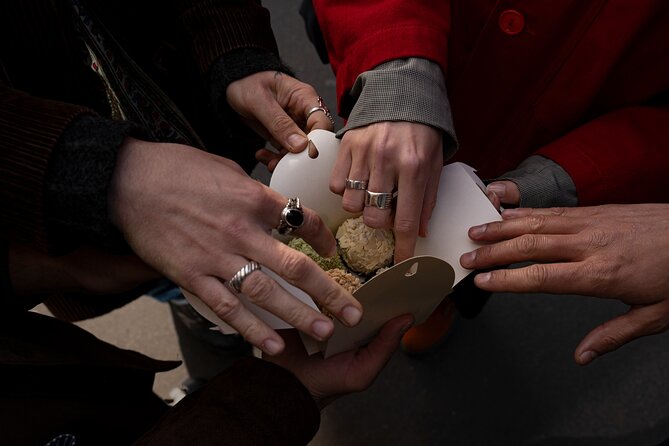
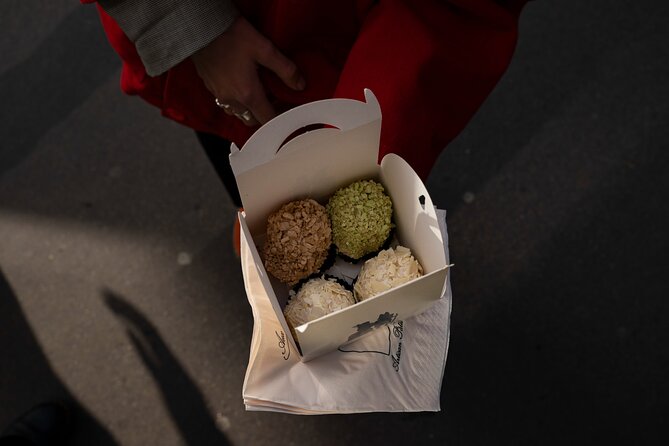
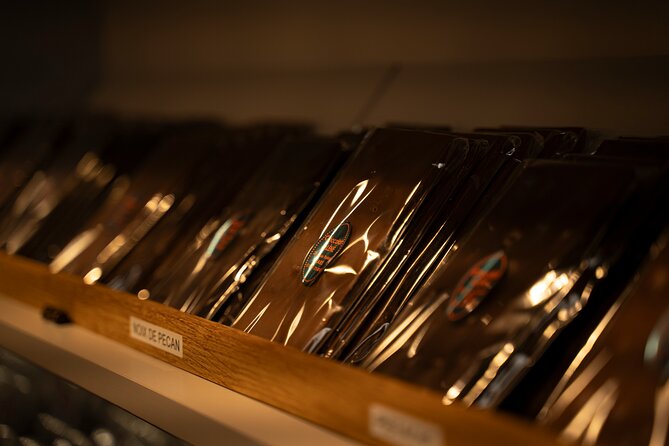
The price includes at least six different treats, so you do not need to budget separately for the tastings. The exact mix may change, but the experience has included chocolates, macarons, merveilleux, éclairs, cookies, jams, and jellies.
A merveilleux, with its light cream and meringue, can be a memorable stop because it is less familiar to many visitors than a croissant or macaron. The route also visits pastry shops and artisan producers with their own stories. One chocolatier mentioned during the walk dates to 1760, giving the tasting a useful connection to French commercial history.
The sweets are substantial enough that you should bring an appetite, but do not treat this as a full lunch. The experience centers on small tastings, not a sit-down meal. If you plan to continue sightseeing afterward, the two-hour length is manageable. If you have a large breakfast, you may find the later stops harder to appreciate.
The tasting selection can include nuts or other ingredients, although one family received alternatives for nut allergies. I would still tell the provider about dietary needs before the tour rather than assume every item can be changed. The supplied details confirm alternatives were possible in at least one case, but they do not promise a fixed allergy menu.
A practical winter tip is to bring a warm drink. You will be outdoors between stops, and a hot coffee or tea can balance the sweetness while helping in chilly weather. Bottled water is not supplied, so bring your own reusable bottle.
Why the small group size matters
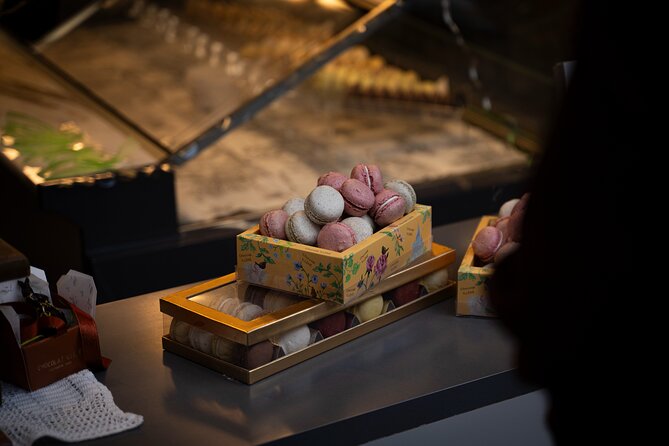
The maximum group size is 10. That is small enough to make a real difference on a narrow street or inside a shop, where a larger crowd can turn a tasting into a queue.
A small departure may become a private tour if few people book that time. Several families and couples had that experience, but it is not guaranteed. You should book for the advertised small-group format, not count on having the guide to yourself.
The group size also suits the storytelling. Montmartre’s streets are noisy, and the guide may need to speak while standing near traffic, shoppers, or other tours. Fewer people make it easier to hear details about the artists, ask about French history, and keep the group moving at a comfortable pace.
English is the offered language. The guide’s English was easy for participants to follow, and the style appears aimed at conversation rather than a memorized speech. That makes the walk a good choice if you want to discuss Paris as you go.
Finishing at Sacré-Cœur
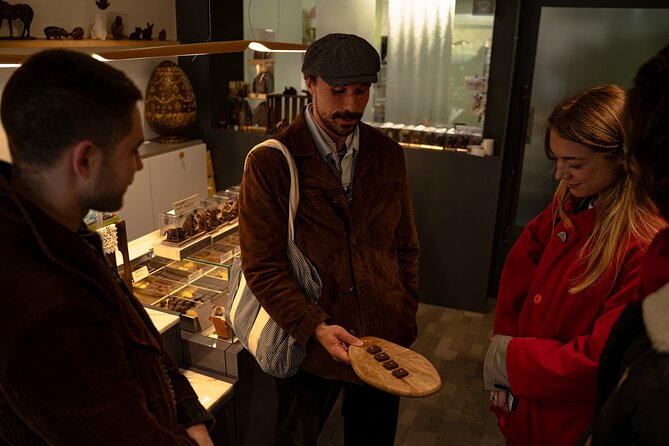
The route ends in front of the Basilica of the Sacred Heart, at 35 Rue du Chevalier de la Barre. This is a satisfying finish because the climb has a clear payoff: the basilica and its wide views over Paris.
The guide explains how the basilica was built and shares two unusual details. Its stones have a quality that helps them wash themselves in the rain, and the construction was funded through what is described as the biggest crowdfunded project of the 19th century.
The tour ends outside, but you may enter the basilica on your own. The church is free to visit, and one family arranged a short online booking to go inside. Since the tour provider does not include an interior visit, allow extra time if seeing the inside matters to you.
The final location is also useful for continuing your day. You can stay for the view, explore more of Montmartre, or follow the guide’s suggestions for lunch or dinner. Restaurant advice is not a formal inclusion, but Loïk has offered recommendations that led some participants to good local meals.
Is $83.45 a fair price?
At $83.45 per person, this is not the cheapest way to see Montmartre. You are paying for a guide, a planned route, and a minimum of six included tastings, rather than simply joining a free neighborhood walk.
The value improves if you would otherwise pay separately for several pastries and chocolates. It also improves if you care about context. A self-guided walk can show you the same streets, but it may not explain the French can-can, the artists’ studios, the remaining windmills, the basilica’s fundraising, and the neighborhood’s tragedies in one compact route.
The price makes less sense if you mainly want a full meal, a long visit inside Sacré-Cœur, or a gentle flat stroll. You are buying a short food-and-history experience, not a restaurant tour or a complete Montmartre sightseeing day.
Group discounts are available, and free cancellation is allowed up to 24 hours before the start time for a full refund. Changes or cancellations inside that 24-hour window are not accepted for a refund.
Who should book this Montmartre walk?
I would choose this tour for someone who wants a first introduction to Montmartre with a clear structure. It also fits repeat visitors who have walked the famous streets before but want more context and lesser-seen corners.
It is a particularly good match for:
- People who enjoy chocolate, pastries, and French sweets
- Art lovers interested in Montmartre’s painters and studios
- Families with children who like stories and snacks
- Visitors who prefer small groups
- Anyone who wants a guide’s restaurant suggestions afterward
I would hesitate if you dislike sweets, avoid uphill walking, or want a quiet architectural tour with no dark stories. The route is easy to underestimate. Two hours sounds short, but the slope and paving add work.
Should you book Pastries & Tragedies?
Book it if you want Montmartre explained through both appetite and atmosphere. The strongest part is the pairing: a story about artists, cabarets, or personal tragedy, followed by a carefully chosen French sweet and a look at the shop behind it.
The route is compact, the group is limited to 10, and the finish at Sacré-Cœur gives the walk a natural climax. Just wear good shoes, bring water, save room for at least six tastings, and expect a climb.
I would skip it only if the hills are a serious problem or if you want a conventional food tour with savory dishes and a full meal. For a pastry lover who also wants to understand why Montmartre became such a famous part of Paris, this is a well-focused use of two hours.
FAQ
Where does the Pastries & Tragedies tour start?
It starts at 5 Place Blanche, 75009 Paris, France.
Where does the tour end?
The tour ends in front of Sacré-Cœur Basilica at 35 Rue du Chevalier de la Barre, 75018 Paris.
How long does the experience last?
The walk lasts approximately two hours.
How many people can join the tour?
The maximum group size is 10 people.
What language is the tour offered in?
The tour is offered in English.
How many tastings are included?
The experience includes a minimum of six different treats, with all food included in the price.
What kinds of sweets might be served?
Possible tastings include pastries, chocolates, macarons, merveilleux, éclairs, cookies, jams, and jellies. The exact selection may vary.
Is bottled water included?
No. Bottled water is not provided, so you should bring your own water.
Is the walk suitable for everyone?
Most people can participate, but the route includes steep uphill walking and cobblestones. It may be strenuous for anyone with limited mobility or stamina.
Can I cancel for a full refund?
Yes. You can cancel at least 24 hours before the local start time for a full refund. Cancellations or changes made less than 24 hours before the start time are not accepted for a refund.
More chocolate and dessert tours in Paris
- Paris: Day or Sunset Cruise with Drink, Ice Cream or Dessert
★ 4.4 · 4,225 reviews - Paris: Entrance Ticket to the Chocolate Museum
★ 4.1 · 1,105 reviews - A Morning in Paris Food Tour: Croissants, Baguettes & Chocolate
★ 5.0 · 556 reviews - Paris: 45-minute Chocolate Making Workshop at Choco-Story
★ 4.4 · 444 reviews
Just added around Paris
- Private Paris Marche d’Aligre Walking Tour with Tastings★ 5.0 · 8 reviews
- Paris Latin Quarter Walking Tour: History & Culture – Small Group★ 5.0 · 14 reviews
- Private Louvre Museum Tour for Kids & Families with Alberto or his team in Paris★ 5.0 · 41 reviews
- Private Highlights of Paris Tuk-Tuk Experience★ 5.0 · 26 reviews
- Private Highlights of Paris Bike Tour★ 4.5 · 15 reviews
- Paris Musee d’Orsay PRIVATE TOUR with a Local Private Guide★ 5.0 · 41 reviews
- Private Half Day Historic Tour★ 5.0 · 58 reviews
- Pere Lachaise Cemetery Paris – Exclusive Guided Walking Tour★ 5.0 · 72 reviews
Montmartre and Sacré-Cœur Tours, compared.
Montmartre Hidden Gems and Scenic Highlights Walking Tour
Read our review →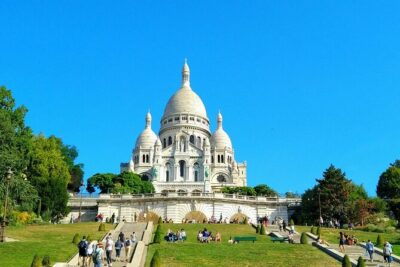
Montmartre Hill French Gourmet Food and Wine Tasting Walking Tour
Read our review →
Montmartre Cheese, Wine & Pastry Guided Walking Tour
Read our review →
Montmartre Highlights Walking Tour with a Local Guide
Read our review →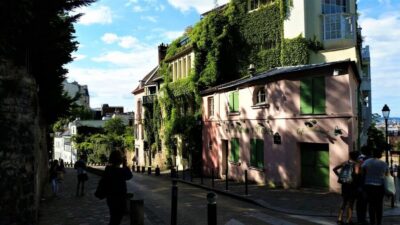
Sacré-Coeur and Montmartre Tour with Expert Guide
Read our review →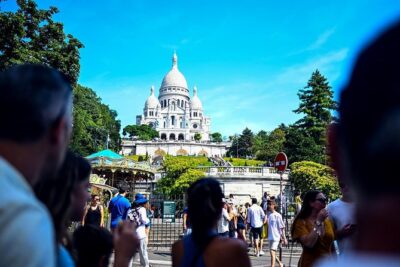
Private Montmartre Food Tour with Wine, Cheese & Pastries
Read our review →
Paris Montmartre Food Tour – A Full French Meal by Do Eat Better
Read our review →
Hidden Montmartre: Paris’ Secret Streets Walking Tour
Read our review →Browse the lists this tour appears in